How to Prepare Your GMC Truck or SUV for Illinois Winter Driving
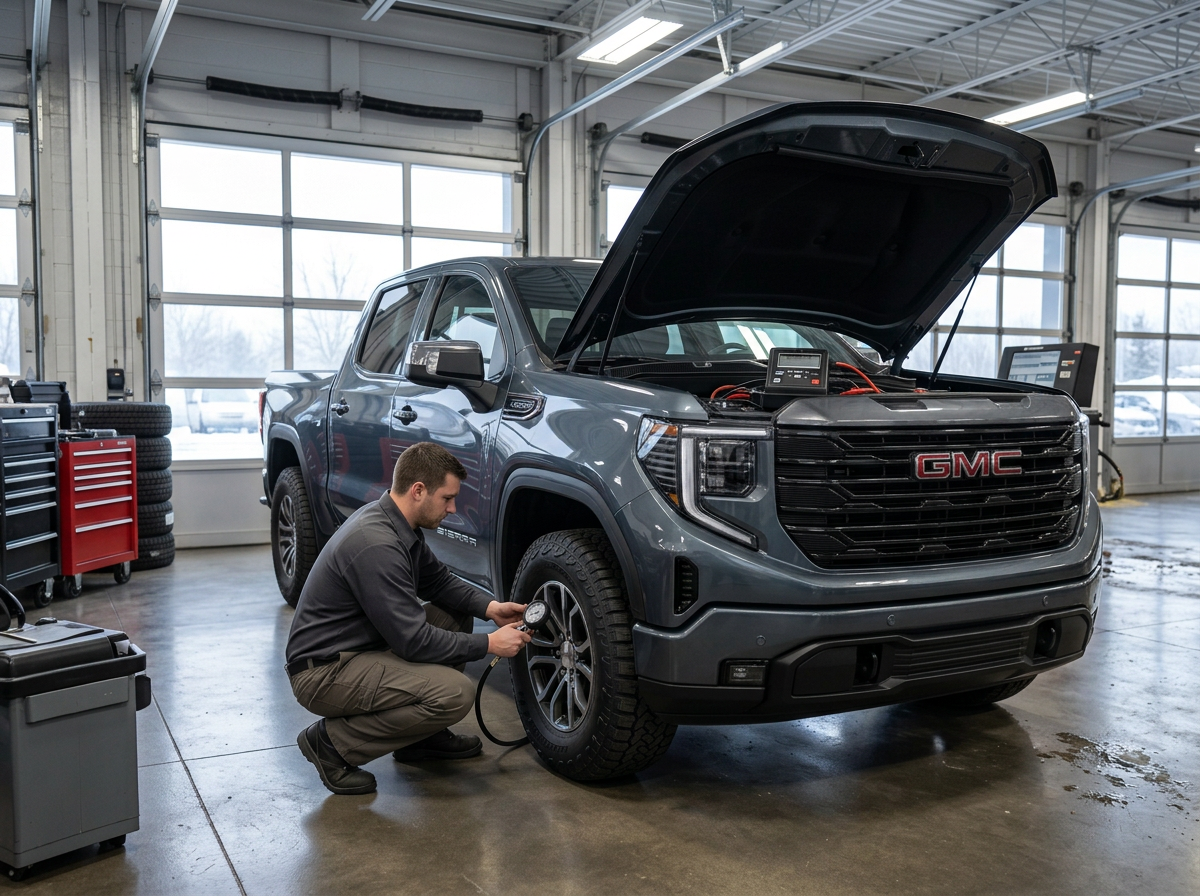
Essential Cold-Weather GMC Tire & Battery Checks for Peru Drivers: Quick Answer
Driving a GMC Sierra, Yukon, Acadia, or Terrain through a North-Central Illinois winter
demands proactive attention to two critical components: your battery and your tires. As
temperatures plummet in Peru, LaSalle, and across the Illinois River valley, winter weather
exerts extreme chemical and physical stress on your vehicle. Sub-zero cold snaps slow
battery electrochemistry while simultaneously compressing air inside your tires, compounding
handling risks when icy conditions strike local commutes on Route 6 or Interstate 80.
If you are looking for the immediate baseline metrics every GMC owner around Peru should
maintain before deep freeze conditions arrive, prioritize these four vital checks:
1. Battery Cold Cranking Amps (CCA): Ensure your battery retains at least
80% of its factory CCA capacity and zero terminal corrosion. 2. Tire Inflation
Pressure: Check your tires when they're cold and inflate them to the
recommended pressure listed on your GMC's driver-side door placard. Tire pressure
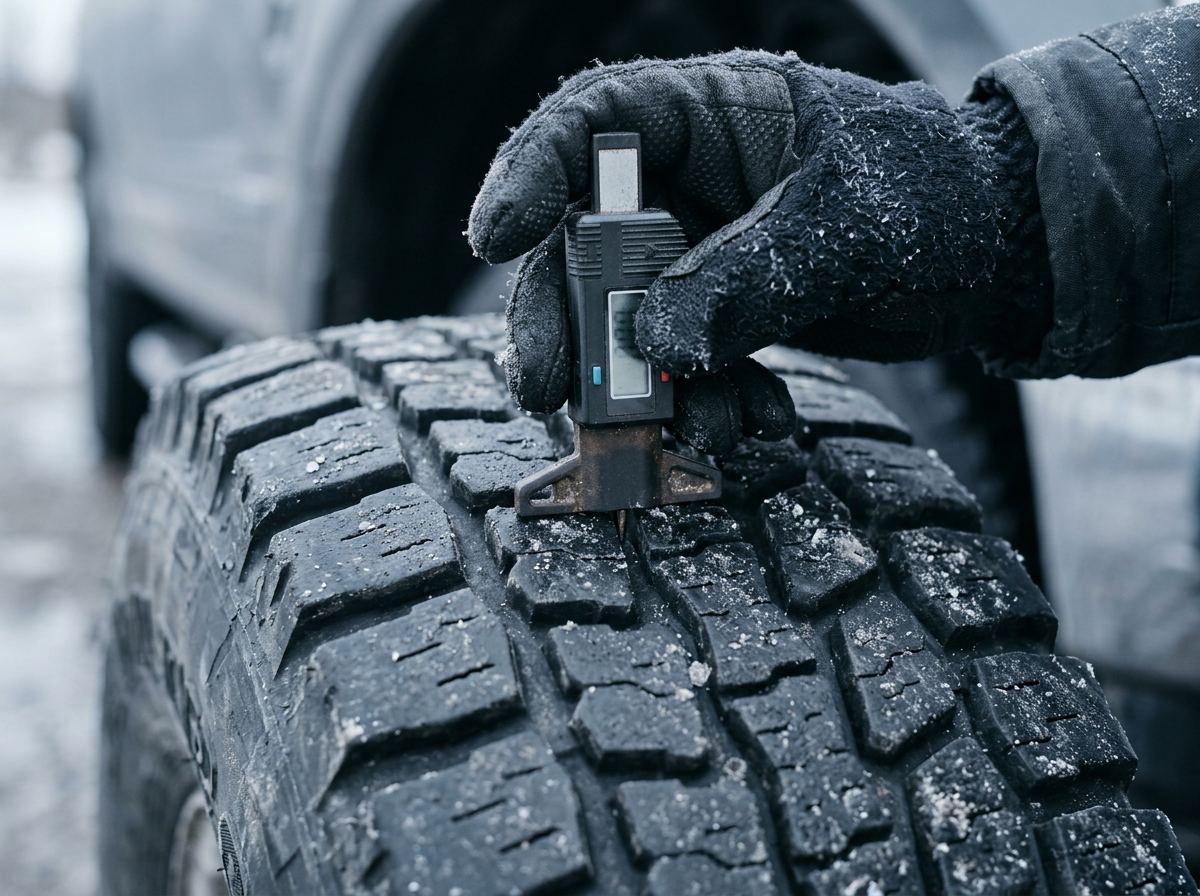
typically decreases as outdoor temperatures fall. 3. Tread Depth: Confirm
at least 4/32 inch of tread remaining across all tires (6/32 inch recommended for deep
snow navigation). 4. Charging System Load Health: Have your alternator
and starter draw tested prior to the first major sub-zero Arctic freeze.
Why Cold Weather Affects GMC Batteries and When to Have Yours Tested
Cold weather puts extra strain on your GMC's battery. As temperatures drop, the
battery produces less starting power while your engine requires more energy to start.
A battery that works perfectly during warmer months may struggle when temperatures
fall below freezing.
One of the most important measurements of battery performance is Cold
Cranking Amps (CCA). This rating measures a battery's ability to start an
engine in cold temperatures. A professional battery test can help determine whether
your battery is still performing properly or may need replacement before winter
arrives.
There are several warning signs that your battery may be weakening. Your engine
cranks more slowly than usual. You hear clicking or experience difficult starting.
Your headlights appear dim when starting the vehicle. Your battery is several years
old and hasn't been tested recently. You notice corrosion around the battery
terminals.
If your GMC's battery is three to four years old or showing any of these symptoms,
consider having it tested before the first major cold snap. A quick inspection of the
battery and charging system can help identify potential problems before they leave you
stranded on a freezing Illinois morning.
Critical Cold-Weather Tire Checks: Pressure Drops, Tread Depth, and Rubber Hardening
Cold temperatures can also affect how well your tires grip the road. As temperatures
drop, some tire compounds become less flexible, which can reduce traction on cold,
wet, or icy pavement. Winter tires are designed to remain more flexible in freezing
conditions, helping provide better grip when roads become slippery.
Before winter arrives, inspect your tires for cracks, uneven wear, bulges, or other
visible damage. Tires that are worn or damaged may struggle to maintain traction when
snow and ice cover Illinois roads.
Tread depth plays a crucial role in evacuating slush, standing water, and loose snow
away from the tire contact patch. While the legal minimum tread depth in many
jurisdictions is 2/32 inch, winter safety requires significantly more margin. On
slush-covered roads around the Illinois River valley, tires with 2/32 or 3/32 inch tread
depth hydroplane or pack with frozen slush, drastically increasing stopping distances.
Aim for a minimum depth of 4/32 inch, though 6/32 inch or deeper is far safer for severe
winter driving.
Are All-Season Tires Sufficient for an Illinois Winter on a GMC SUV, or Are Dedicated Snow
Tires Better?
All-Season Capability
Factory-installed M+S (Mud and Snow) rated all-season tires on GMC Terrain, Acadia,
and Yukon models are engineered for broad versatility. They perform well in light rain,
spring thaw, and mild autumn temperatures. However, all-season rubber compounds begin
hardening once temperatures consistently dip below 45°F, limiting grip on hard-packed
snow or black ice along local Peru corridors.
3PMSF Snow Tires
Dedicated winter tires bearing the 3-Peak Mountain Snowflake (3PMSF) symbol utilize
specialized silica rubber formulas that stay soft in freezing conditions. Dedicated
winter tires feature specialized tread patterns and rubber compounds designed to
improve traction, braking, and handling in snow and freezing conditions compared with
typical all-season tires.
LaSalle County Reality
For drivers commuting primarily on plowed main streets in Peru, LaSalle, or Ottawa,
premium all-season tires with high tread depth may suffice. However, for unplowed rural
farm routes, hilly river valleys, or early-morning highway travel, dedicated snow tires
provide unmatched cornering stability and short stopping distances when black ice
forms.
How AutoTrac 4WD and StabiliTrak Work Together on Slippery Illinois Winter Roads
GMC trucks and SUVs feature two advanced traction technologies designed for harsh
Midwest winters: the AutoTrac active transfer case and StabiliTrak electronic stability
control with traction management. Understanding how these electronic guardians operate
helps you make the best driving choices when snow accumulation blankets Route 6 or ice
forms across bridge decks on I-80.
AutoTrac offers distinct drive modes tailored to changing surface traction:
2WD: Disengages the front axle for optimal fuel economy on dry
pavement. AUTO: Continuously monitors wheel speeds. When rear wheel
slip is detected, an internal clutch pack locks in milliseconds to transfer torque to
the front wheels automatically. 4HI: Locks front and rear drive shafts
at a 50/50 torque split for heavy, unplowed snow. 4LO: Provides high
torque reduction ratios for extreme low-speed recovery scenarios.
While AutoTrac delivers engine power to the tires with the most traction,
StabiliTrak protects directional control. Utilizing steering angle sensors, wheel speed
sensors, and lateral acceleration monitors, StabiliTrak detects when your vehicle strays
from your intended path during skid events. It applies individual wheel brakes and
adjusts engine output to counteract oversteer or understeer, keeping your GMC steady on
treacherous winter roads.
Do GMC Trucks and SUVs Need an Engine Block Heater in Illinois?
Engine block heaters can make cold-weather starting easier by warming the engine
before startup. They can be especially helpful for GMC Sierra trucks equipped with
Duramax diesel engines during periods of extreme cold.
Gasoline-powered GMC trucks and SUVs generally start reliably in winter when properly
maintained, but an engine block heater may offer additional benefits during prolonged
sub-zero temperatures, particularly for vehicles parked outdoors overnight.
Not every GMC requires or comes equipped with an engine block heater. Check your
owner's manual for model-specific recommendations, including when and how to use one.
Diesel owners should also follow the manufacturer's recommendations for cold-weather
fuel and maintenance.
How Often Should Windshield Wiper Blades and Washer Fluid Be Replaced During Illinois
Winters?
Wiper Replacement Interval
Windshield wiper blades should be replaced every 6 months, ideally before winter
arrives. Summer heat and UV radiation degrade wiper rubber, causing tearing, chatter,
and streaking when wiping away freezing slush on local Peru roads.
Beam Blade Technology
Upgrade to heavy-duty, frame-free beam wiper blades. Traditional bracketed blades
feature exposed joints that trap ice and freeze rigid, preventing the rubber squeegee
from conforming to your GMC's windshield curvature during winter storms.
-30°F Winter Washer Fluid
Flush out summer washer fluid and fill the reservoir with winter-grade fluid rated
for -30°F. Summer washer mix freezes inside washer lines and spray nozzles, potentially
cracking the reservoir tank or leaving you blind when salt spray coats your glass on
I-80.
GMC Winter Preparation Checklist: What to Check Before Illinois Winter Arrives
Before freezing temperatures and winter storms arrive in Northern Illinois, take a few
minutes to review these important maintenance items.
|
Vehicle Component
|
What to Check
|
|---|
|
Battery
|
Have the battery tested, especially if it's several years old or starting slowly.
Inspect terminals for corrosion.
|
|
Tires
|
Check tread depth, inspect for damage, and inflate tires to the recommended cold
pressure listed on the driver's door placard.
|
|
Brakes
|
Watch for squealing, grinding, vibration, or changes in braking performance. Have
any concerns inspected.
|
|
Engine Coolant
|
Make sure the cooling system has the correct coolant and adequate freeze
protection for winter temperatures.
|
|
Windshield Wipers
|
Replace worn or streaking blades and confirm both front and rear wipers work
properly, where equipped.
|
|
Washer Fluid
|
Use winter-rated windshield washer fluid that can withstand freezing
temperatures.
|
|
Heating & Defrosting
|
Check that the heater, windshield defroster, and rear-window defogger work
properly.
|
|
Lights
|
Test headlights, brake lights, turn signals, and other exterior lighting.
|
|
AWD / 4WD
|
Familiarize yourself with the available drive modes and their proper use before
encountering snow or ice.
|
Some of these checks are easy to perform at home, while others may require a professional
inspection. Addressing potential problems before the first major winter storm can help
keep your GMC dependable throughout the season.
Building a Winter Emergency Traction and Safety Kit for Rural LaSalle County Roads
Recovery Tools
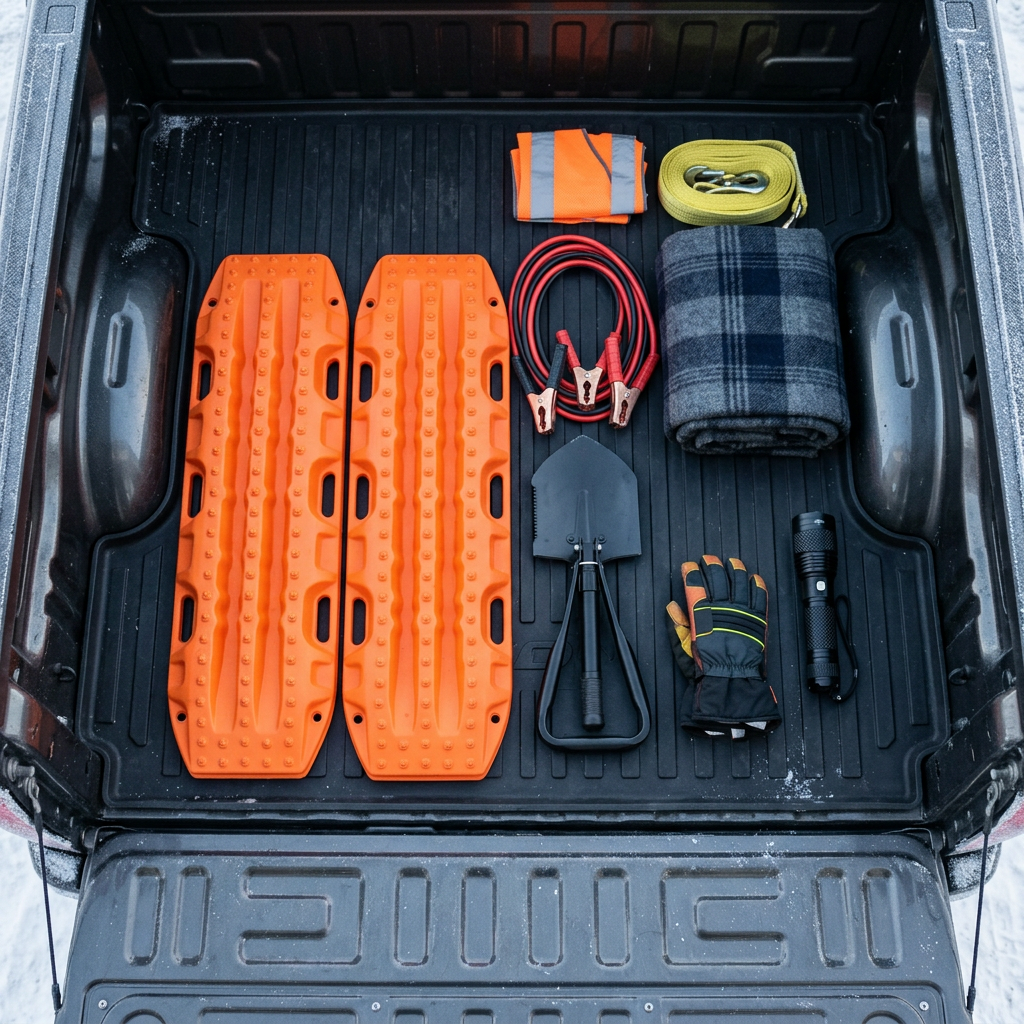
Keep a heavy-duty tow strap, portable traction boards, a compact folding snow shovel,
and a bag of coarse floor dry or non-clumping cat litter in your GMC cargo bed or
trunk. These recovery tools provide traction when stuck in snowdrifts along rural
LaSalle County routes.
Electrical & Light
Store a 1000+ Peak Amp lithium-ion jump starter pack, heavy-gauge 20-foot jumper
cables, a high-lumen LED flashlight with spare lithium batteries, and emergency roadside
flares or LED safety beacons to ensure visibility if stranded after dark.
Pack thermal wool blankets, insulated work gloves, hand warmers, and a high-capacity
mobile phone power bank.
When to Schedule a Professional GMC Winter Inspection
While GMC owners can check tire pressure, windshield wipers, exterior lights, and
emergency supplies at home, some winter maintenance items are best evaluated by a trained
technician.
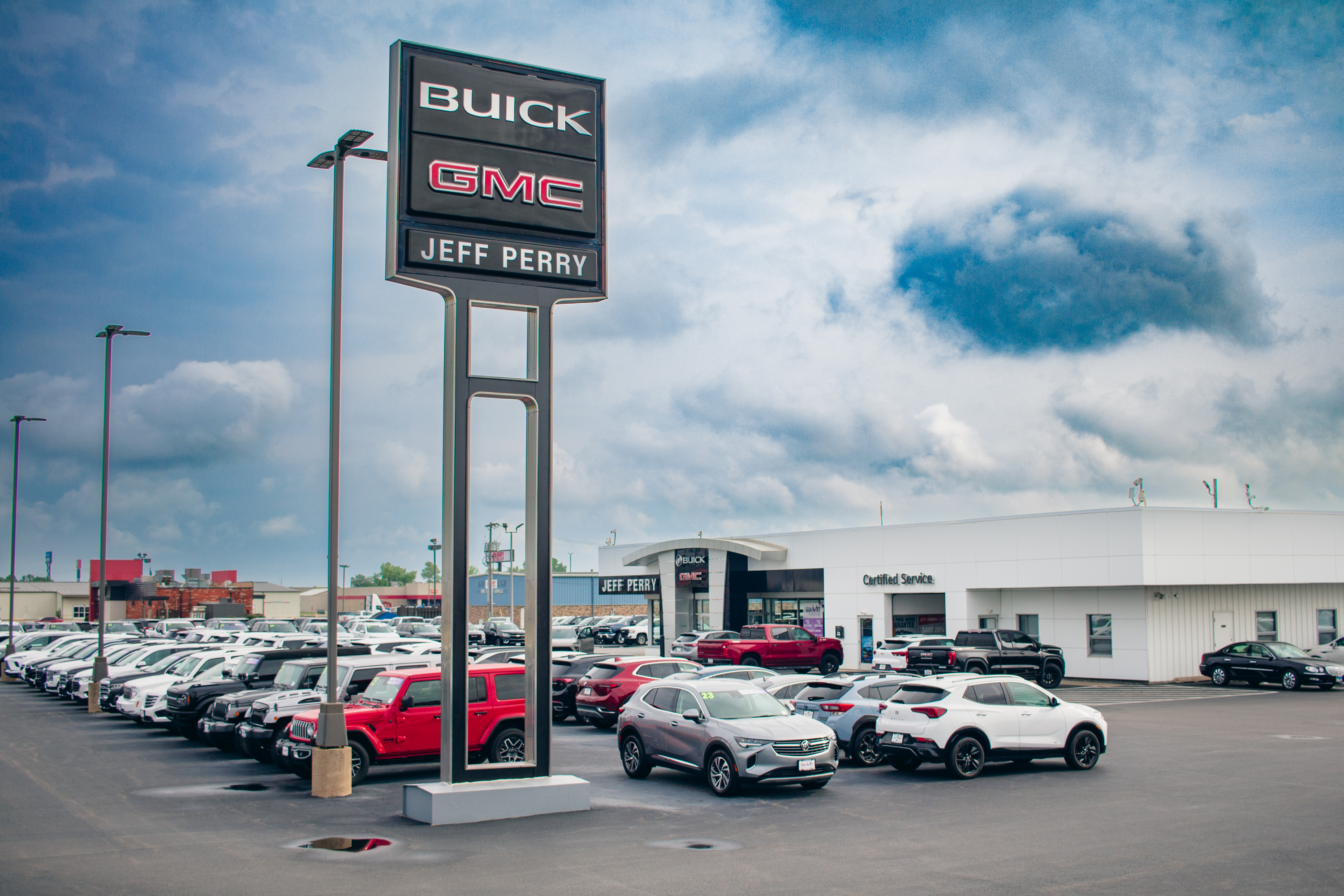
At Jeff Perry Buick GMC in Peru, our service team can help assess your vehicle's battery,
brakes, tires, cooling system, and other components that are important for winter
reliability.
If your GMC is due for maintenance or you've noticed signs of a potential problem,
scheduling service before temperatures drop can help you avoid unexpected repairs during
the winter months.